

If you’ve ever looked at photos and thought, “I want that warm, peachy glow,” you’re probably thinking of strawberry blonde. It’s the perfect middle ground between blonde and light copper—bright in daylight, cozy indoors, and incredibly wearable when you keep the undertone right for your skin. This guide walks you through choosing your best strawberry blonde, prepping and mixing plant-based dye, timing for gray blend, and the simple upkeep routine that keeps your color soft instead of brassy.
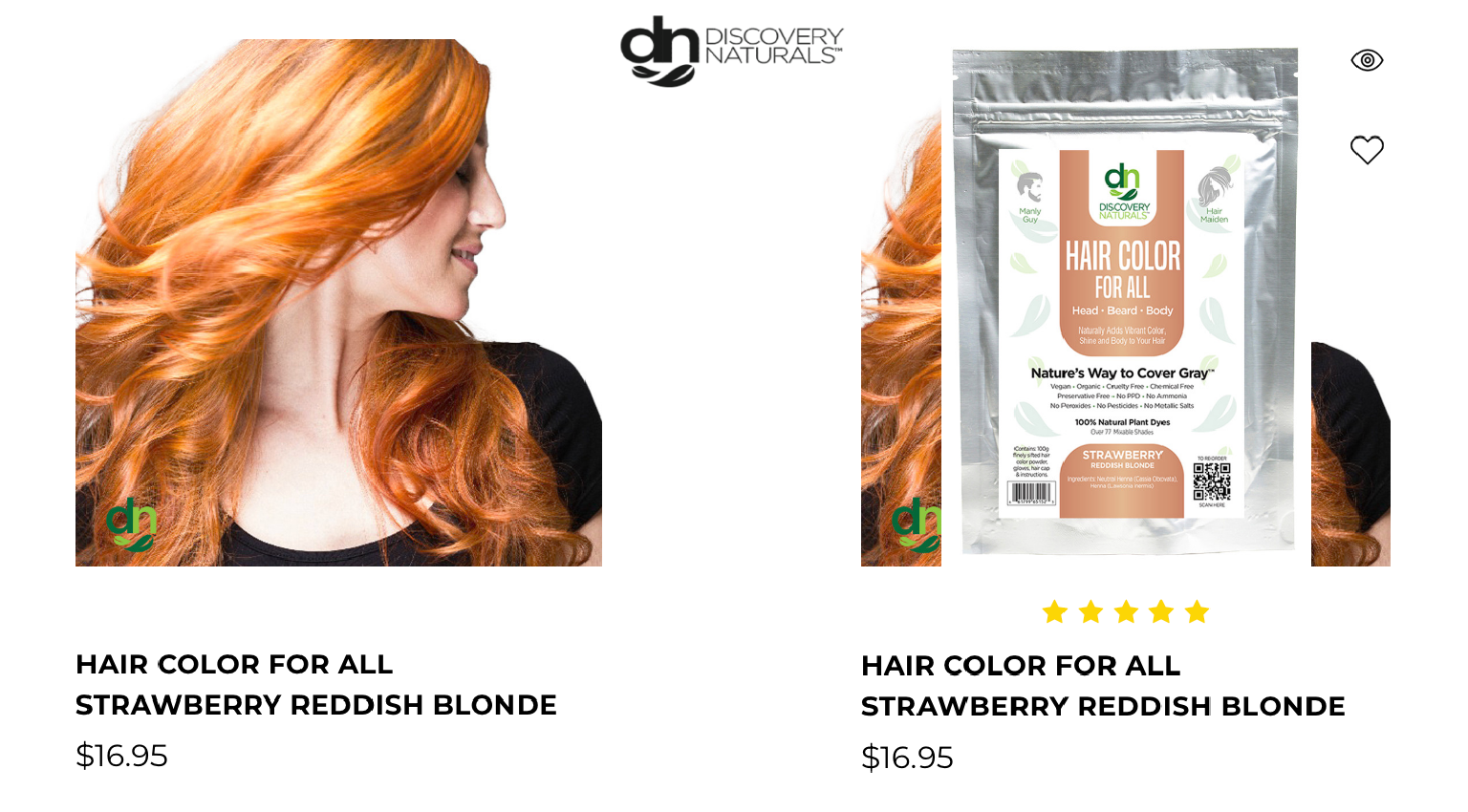
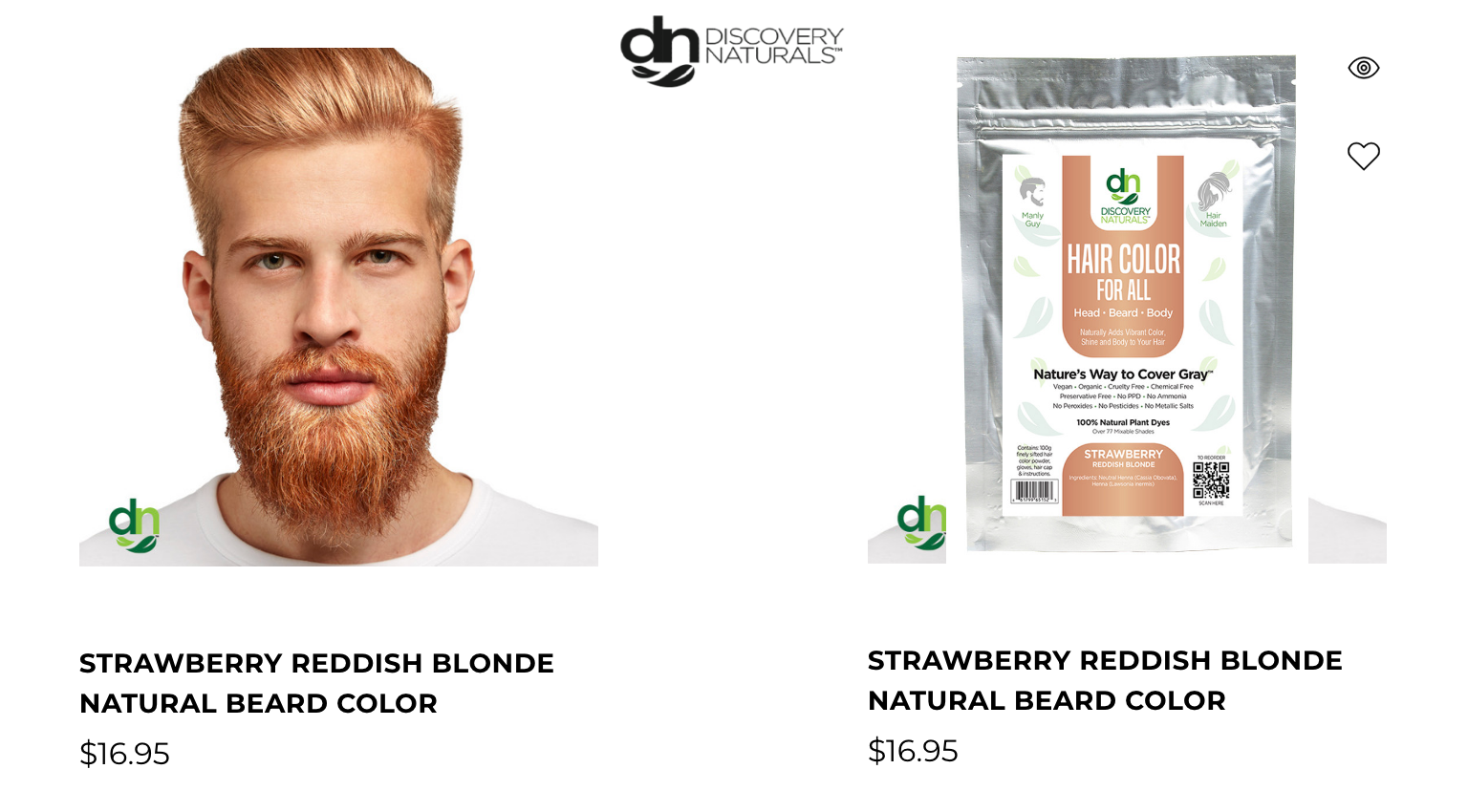
Primary products:
For more reading, link into your blog hub for topical strength: Discovery Naturals Blog
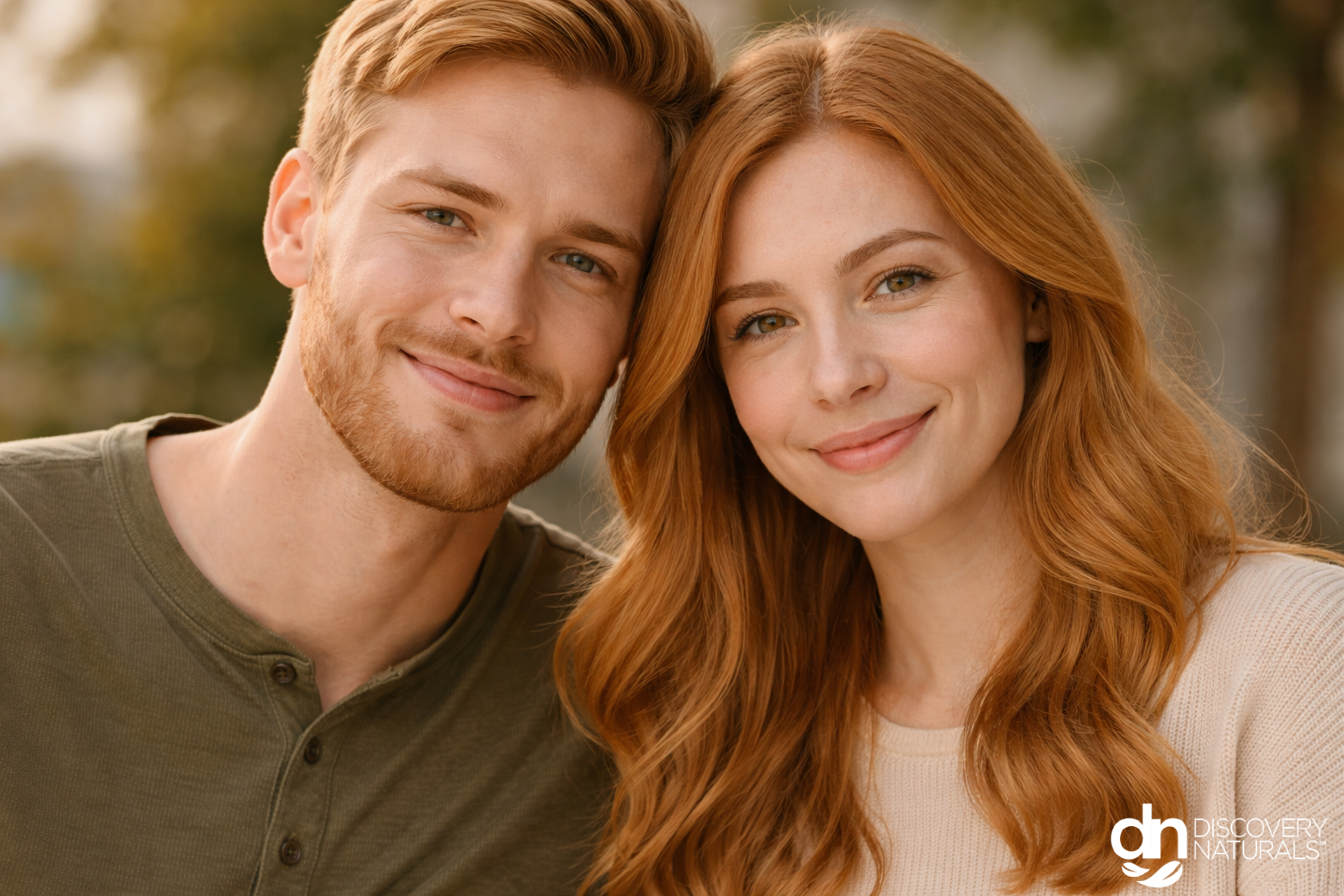
What “Strawberry Blonde” really means (and why undertone matters)
Strawberry blonde is a light golden base with a soft red/peach cast—think sunlit blonde with a whisper of copper. The key is balance: too much gold looks yellow; too much red looks orange. Plant-based color builds tone gradually, so you can land on a believable strawberry instead of a shock-red moment.
-
Warm strawberry = more golden, less copper (glowy, beachy)
-
Neutral strawberry = even split of gold + copper (most wearable)
-
Peachy strawberry = a hint more copper (vibrant without going red)
Who strawberry blonde flatters (use this to set expectations)
-
Skin with warm or neutral undertones (veins lean green or mixed): start with neutral strawberry and you’ll look naturally lit.
-
Cool undertones (veins lean blue/purple): pick warm strawberry so the color doesn’t read too pink.
-
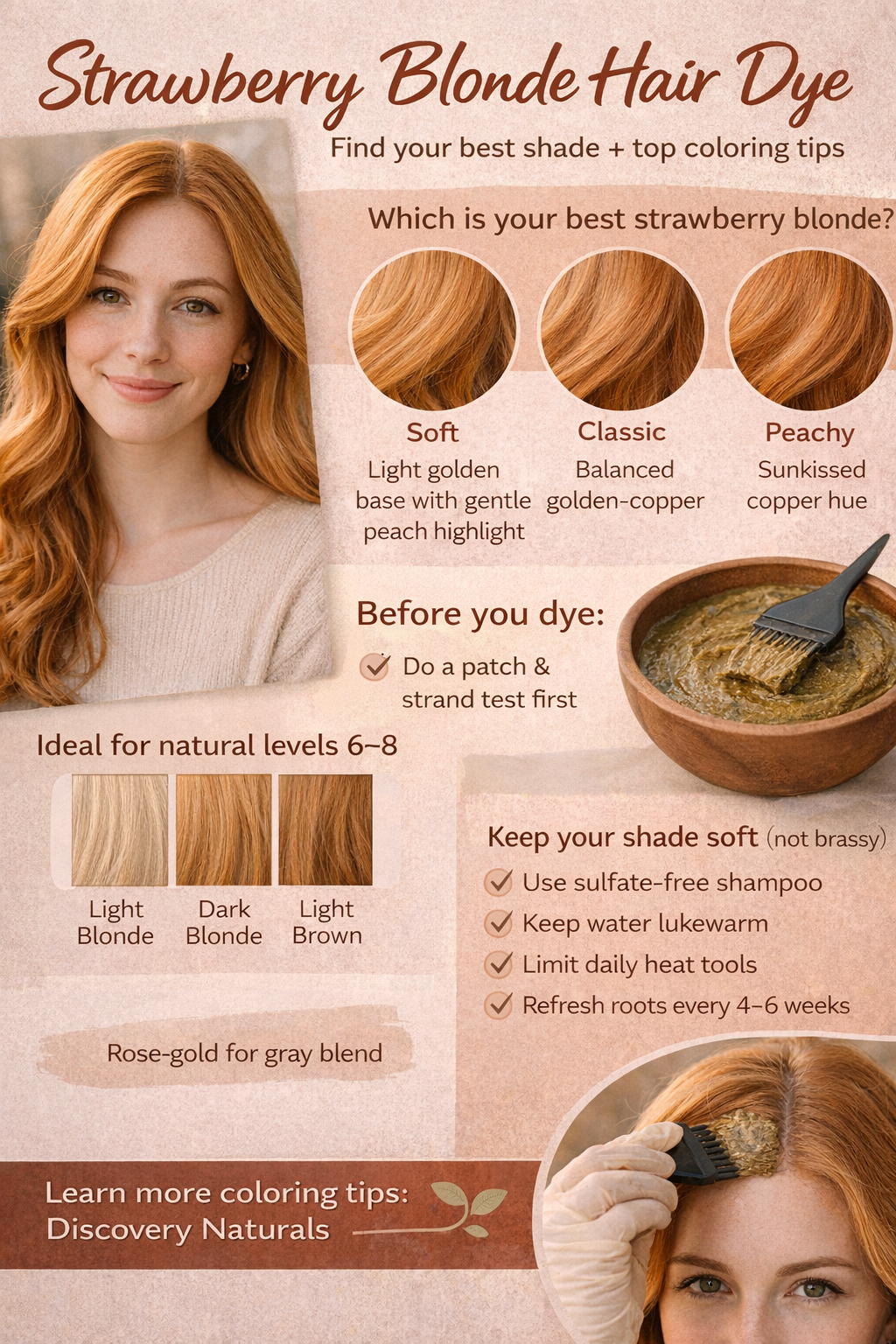
Natural level 6–8 (dark blonde to medium blonde): easiest one-session success.
-
Natural level 4–5 (medium brown): expect a two-session plan—plant color deepens/tones; it doesn’t lighten.
-
Gray blend: strawberry blonde softens silver into a rose-gold blush. If gray is very resistant, plan a short root refresh within the first week.
Quick shade map: find your strawberry
-
Soft Strawberry (subtle) – light golden base with a gentle peach hightlight. First-timer friendly; great for brightening dull blonde.
-
Classic Strawberry Blonde (balanced) – equal parts golden + copper. Your safest middle.
-
Peachy Strawberry (vibrant) – slightly stronger copper for a lively, sunkissed finish.
If you’re unsure, choose Classic Strawberry Blonde. You can nudge warmer or peachier next month.
Strand test in 10 minutes (saves you from surprises)
-
Mix a tablespoon of powder to creamy yogurt texture.
-
Apply to a hidden piece near the nape.
-
Process at the midpoint time on your card.
-
Rinse cool and dry. Check in natural window light.
If you want it warmer, extend time slightly next session. If it’s too peachy, shorten time or mix with a touch of your Light Blonde shade when you restock.
Prep checklist (night before)
-
Patch test for peace of mind.
-
Wash with a gentle shampoo; skip conditioner.
-
Lay out a non-metal bowl/spoon, gloves, clips, and a cap.
-
Protect hairline with a thin line of balm.
-
Put your phone on a timer.
-
Wear an old tee and keep a towel handy.
Mix guide (creamy = even results)
-
Pour powder into your bowl.
-
Add warm water slowly while stirring until it looks like creamy yogurt—no drips, no lumps.
-
Let it rest per your product card so the dye releases.
-
If it thickens while sectioning, add a teaspoon of water and stir again.
Sectioning made simple
-
Part down the middle, then ear-to-ear for four sections.
-
Clip three, work one. You’ll miss fewer tiny grays, and deposit stays even.
Application steps
-
Start where gray shows the most—usually the front or crown.
-
Load your brush and press into roots (don’t “paint” lightly; saturation matters).
-
After roots are covered, pull through mid-lengths and ends.
-
Cap up to keep warmth in; set your timer.
-
For resistant gray, stay at the upper end of the timing window.
-
Rinse with cool-to-lukewarm water until it runs clear.
-
Skip shampoo for 24–48 hours so pigment settles.
Gray-blend playbook for strawberry blonde
-
Thicker mix hugs gray better—aim for creamy, not runny.
-
Touch the brush right at the root and press; don’t skim.
-
If a patch stays light, add five extra minutes next time on that zone.
-
Still peeking through? Do a 10–15 minute root refresh 3–5 days later.
Tone control (keep it strawberry, not brassy or orange)
-
Looks too warm/yellow in bright sun? Shorten timing slightly next session and rinse cooler.
-
Looks too peachy/orange indoors? Next session, shorten timing by 5–7 minutes or blend in a small portion of your lighter blonde kit.
-
Ends look flat? Gloss ends for 10 minutes only on your next visit—don’t run full timing on the entire length.
Upkeep & longevity
-
Use sulfate-free shampoo 48 hours after coloring.
-
Keep water lukewarm; super-hot showers fade tone faster.
-
Limit daily heat tools; use a heat protectant when you style.
-
Protect from strong sun (hat, scarf) to keep the strawberry crisp.
-
Refresh roots every 4–6 weeks; do a quick ends gloss every other session.
What to wear with strawberry blonde (quick styling tips)
-
Brows: keep them one tone deeper than your hair for balance.
-
Makeup: peach, coral, or rose tones flatter the warmth without fighting it.
-
Wardrobe: creams, camel, olive, soft denim, and white make the color pop.
Frequently asked questions
Will strawberry blonde lighten my hair?
No. Plant-based color deposits tone; it doesn’t bleach. If you’re darker than level 6, plan a gradual, multi-session approach.
Can I do strawberry blonde over old dark dye?
You can tone it warmer, but you won’t get “blonde” in one go. Expect multiple sessions and manage warmth with timing and glazes.
How long does it last?
Most see 4–6 weeks depending on wash frequency, water temperature, sun, and styling habits.
Will it cover gray?
Yes—with full saturation at the roots and proper timing. Resistant gray may need a short root refresh within the first week.
Is it safe for sensitive scalps?
Our community chooses plant-based formulas for a calmer experience. Always patch test and follow your product card.