
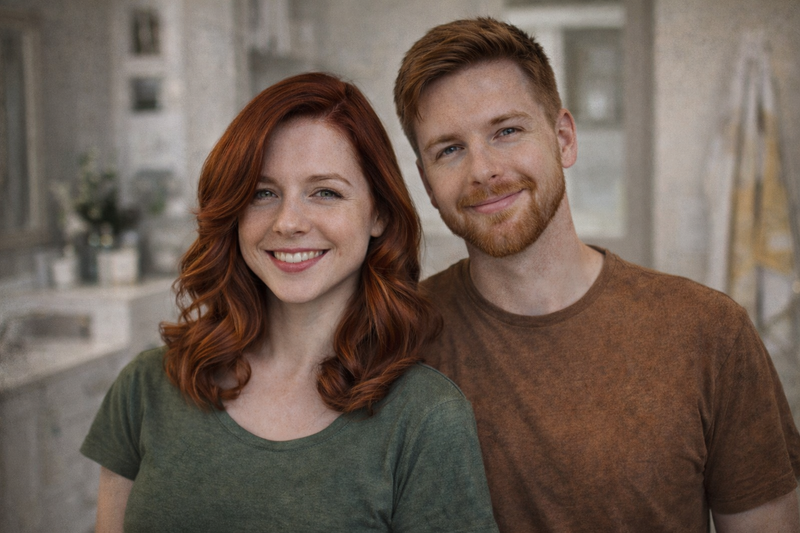
Henna has been used for centuries as a natural way to color hair, beards, and skin. Today, it’s experiencing a resurgence as more people look for plant-based, chemical-free alternatives to traditional dyes.
If you’ve searched for henna hair dye, henna beard coloring, or henna tattoos, you’ve probably noticed there’s a lot of conflicting information out there. Some people swear by it. Others had a bad experience and aren’t sure what went wrong.
This guide breaks it all down — clearly, honestly, and without the hype — so you can decide if henna is right for you and how to use it correctly.
What Is Henna?
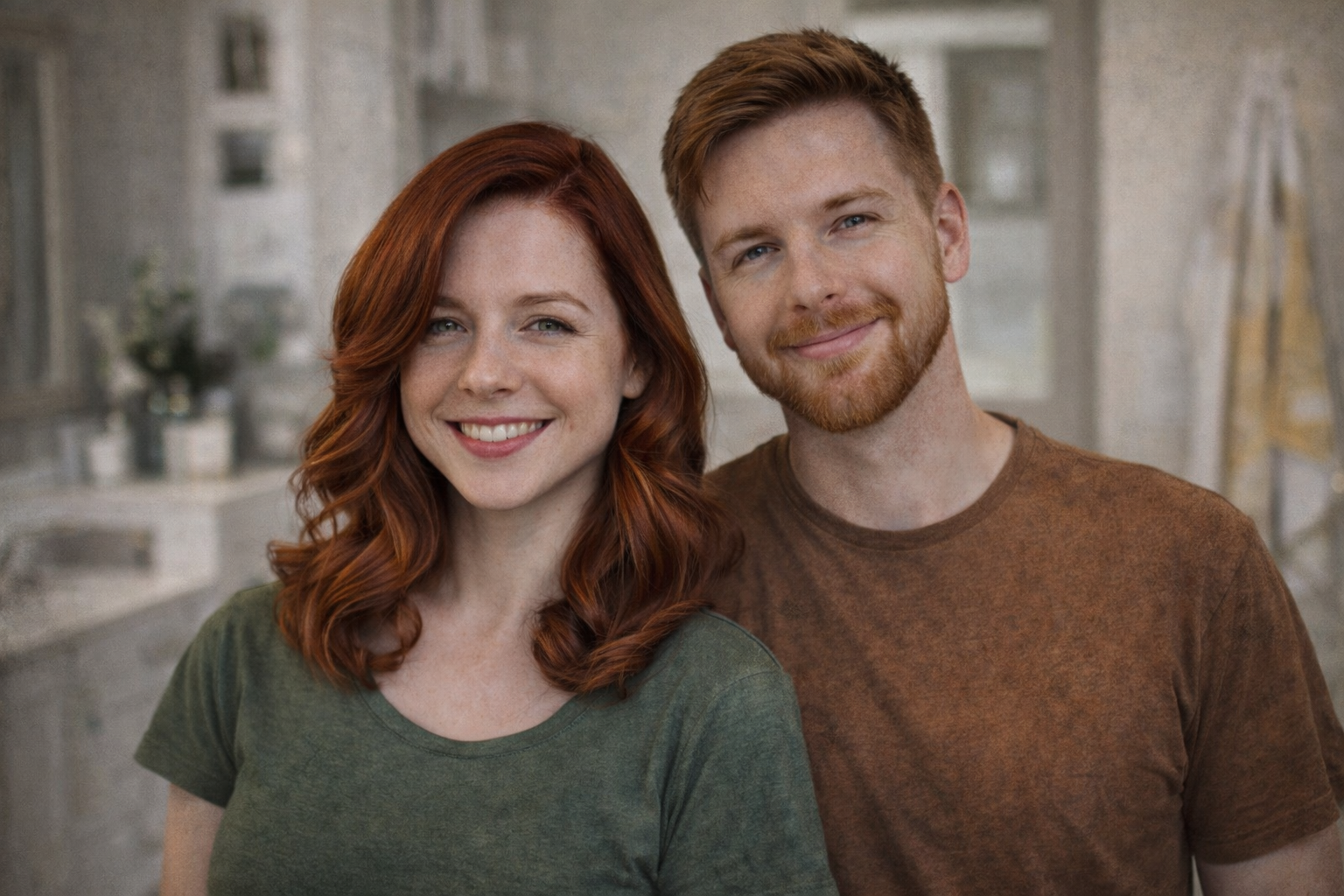
Henna comes from the leaves of the Lawsonia inermis plant. When the leaves are dried, ground into a fine powder, and mixed with liquid, they release a natural dye molecule that binds to keratin — the protein that makes up your hair and skin.
Unlike chemical dyes that open the hair cuticle and deposit artificial pigment, henna coats and bonds naturally, creating translucent color that looks more like real hair tone than paint.
That’s why henna results often appear:
-
Softer
-
More dimensional
-
Less harsh than synthetic dyes
Henna Hair Dye: How It Works
Henna hair dye doesn’t “change” your hair color in the same way bleach or ammonia-based dyes do. Instead, it layers color over your existing shade, enhancing warmth, depth, and shine.
This makes henna especially popular for:
-
Covering gray naturally
-
Enhancing brown, auburn, strawberry blonde, and chestnut tones
-
Sensitive scalps that react to chemical dyes
Because henna is translucent, results depend on your starting color. On lighter hair, it appears brighter and warmer. On darker hair, it adds richness and subtle undertones rather than dramatic lightening.
If you’re exploring plant-based hair color options, you can browse the full Women’s Hair Color collection here: https://www.discoverynaturals.com/hair-care/color/
Henna for Gray Hair: What to Expect
One of the most common questions is whether henna can cover gray hair.
The short answer: yes — but naturally.
Gray hair lacks pigment, so henna tends to grab more strongly, often appearing lighter or warmer at first. Over time (or with a second application), the color deepens and blends more evenly.
Many people prefer this gradual, realistic look over flat, opaque gray coverage from chemical dyes.
Henna Beard Coloring: Why Men Choose It
Henna has become especially popular for beard coloring, and for good reason.
Beard hair is coarser, more sensitive, and more prone to irritation from traditional dyes. Henna offers a gentler alternative that:
-
Doesn’t sting or burn
-
Blends gray instead of masking it
-
Leaves beards feeling fuller and softer
Men often use henna to:
-
Match beard color to their hair
-
Reduce salt-and-pepper contrast
-
Darken patchy or uneven areas naturally
If you’re specifically looking for plant-based beard solutions, explore Men’s Hair & Beard Color options here: https://www.discoverynaturals.com/hair-care/mens-hair-color/
Henna Tattoos: How They’re Different
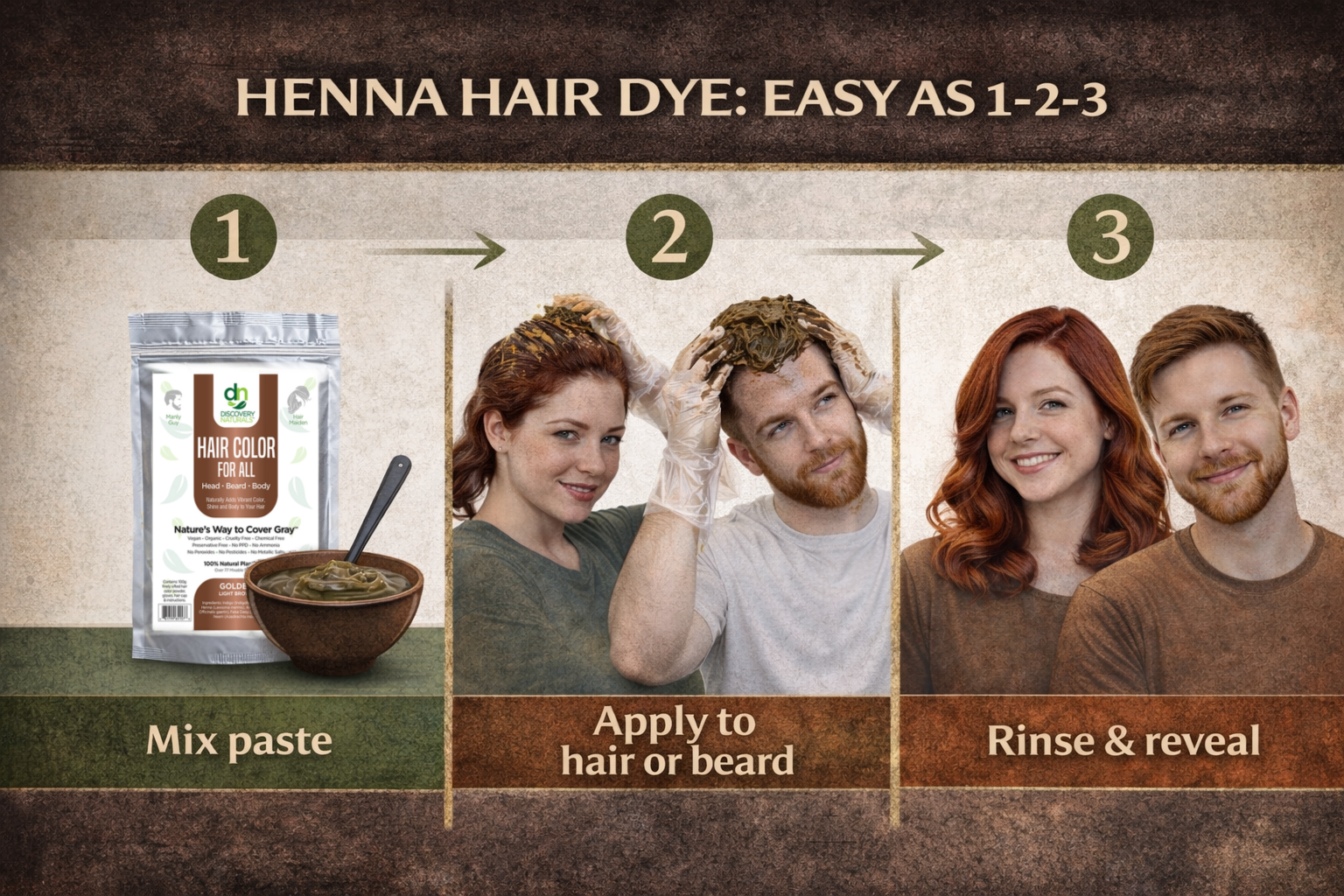
Henna is also widely used for temporary body art, but it’s important to understand that hair henna and tattoo henna are not interchangeable.
Henna tattoos use skin-safe formulations designed for external use only. When applied to the skin, henna stains the top layer, creating designs that fade naturally over 1–3 weeks.
Key things to know:
-
Natural henna stains brown to deep reddish-brown
-
It should never be jet black (that usually indicates additives)
-
Tattoo henna is cosmetic, not permanent
If you’re interested in safe, traditional body art, visit the Henna Tattoos category here: https://www.discoverynaturals.com/henna-tattoos/
Henna vs Chemical Hair Dye
This is where many people make the switch.
Chemical dyes:
-
Penetrate the hair shaft
-
Often contain ammonia, peroxide, or PPD
-
Can cause irritation over time
-
Deliver fast but sometimes harsh results
Henna and plant-based dyes:
-
Coat and bond naturally
-
Are free from harsh oxidizers
-
Improve shine and texture
-
Fade gradually and evenly
Henna won’t lighten hair or create dramatic color shifts, but for those prioritizing hair health, scalp comfort, and natural-looking color, it’s often the better long-term option.
Common Henna Mistakes (and How to Avoid Them)
Many bad henna experiences come from a few avoidable mistakes:
Expecting it to lighten hair
Henna only adds color — it doesn’t bleach.
Rushing the process
Henna needs proper mixing and processing time to release dye fully.
Using low-quality or contaminated henna
Some products contain metallic salts or additives that can cause unpredictable results.
Not understanding undertones
Henna naturally leans warm. Choosing the right blend matters.
Quality formulations and clear instructions make a huge difference in final results.
Is Henna Right for You?
Henna is a great fit if you:
-
Want natural-looking hair or beard color
-
Have sensitive skin or scalp
-
Prefer gradual, realistic gray blending
-
Value plant-based ingredients
It may not be ideal if you want:
-
Platinum blonde or very cool tones
-
Instant, dramatic lightening
-
One-step color transformations
A Note on Legacy Henna Brands
If you’ve used henna products in the past, you may recognize some names associated with traditional henna hair and beard coloring. Over time, many long-standing henna users have transitioned toward broader plant-based hair care lines that focus on consistency, safety, and modern formulations — a shift that reflects how natural hair color has evolved.
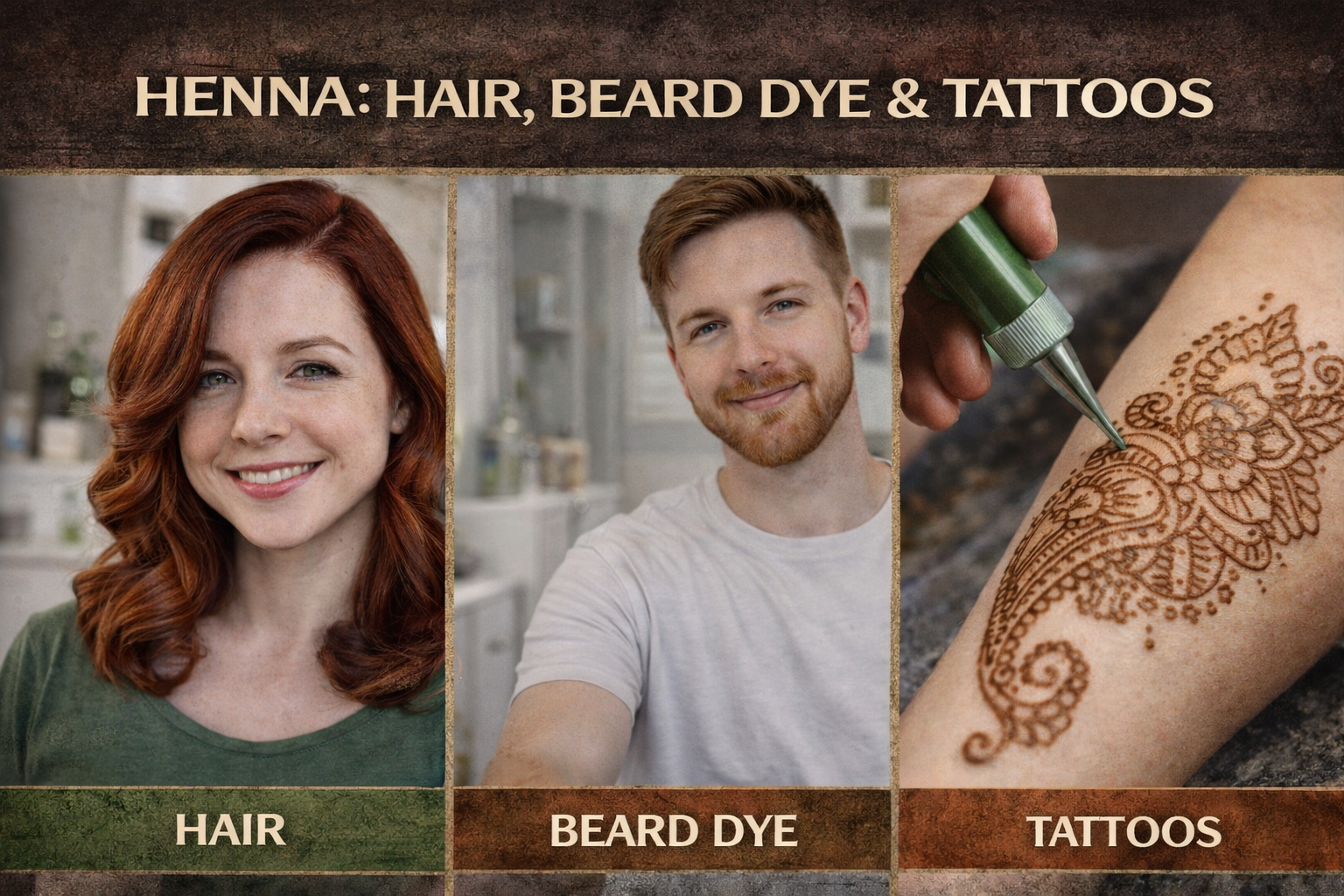
Henna Hair Dye, Beard Color & Tattoo FAQs
Is henna hair dye permanent?
Henna is considered permanent, but it fades naturally over time. Instead of washing out abruptly, henna gradually softens and blends as your hair grows, which is why results often look more natural than chemical dyes.
Can henna cover gray hair?
Yes. Henna covers gray hair by binding to the hair shaft, creating a warm, translucent tone. Gray hair may appear lighter or warmer on the first application and deepen with a second session or over time.
Does henna work on beards?
Henna works very well on beards. Many men prefer henna beard coloring because it is gentler on sensitive skin, blends gray instead of masking it, and leaves beard hair feeling thicker and healthier.
Is henna safe for sensitive skin?
Pure, properly formulated henna is generally well tolerated by people with sensitive skin. Because it does not rely on ammonia, peroxide, or PPD, many users experience less irritation compared to chemical dyes. A patch test is still recommended.
Can henna lighten hair?
No. Henna cannot lighten hair. It only adds color and depth to your existing shade. If your goal is lighter hair, henna is not the right option.
Why did my henna turn my hair orange?
Henna naturally releases warm pigments. On light or gray hair, this can appear coppery at first. This usually deepens within 24–72 hours as the color oxidizes and settles. Using the correct blend and timing helps prevent overly bright results.
How long does henna hair dye last?
Henna hair dye typically lasts 4–8 weeks or longer, depending on hair type, washing frequency, and sun exposure. Because it fades gradually, regrowth lines are usually softer than with chemical dyes.
Can I use the same henna for hair and tattoos?
No. Hair henna and tattoo henna are formulated differently. Henna for skin is designed for temporary body art only, while hair henna is intended to bind to keratin. Always use the correct product for each purpose.
Does henna damage hair?
Henna does not damage hair when used correctly. In fact, many people find that henna improves shine, thickness, and strength over time because it coats and protects the hair shaft.
Is henna better than chemical hair dye?
Henna and chemical dyes work differently. Henna is ideal for people who want natural-looking color, gradual fading, and fewer harsh ingredients. Chemical dyes may be better for dramatic lightening or very cool tones.
Final Thoughts
Henna isn’t just one thing. It’s a plant with a long history, used in different ways for hair, beards, and body art. When used correctly — and with the right expectations — it can deliver beautiful, natural results without harsh chemicals.
Whether you’re exploring henna hair dye for the first time, blending gray in your beard, or learning about traditional henna tattoos, understanding how henna works is the key to loving your results.
To explore plant-based color options made for modern hair and skin needs, start here: